

Walton Options for Independent Living is a Center for Independent Living, a non-medical, non-residential nonprofit led by, and for, people with disabilities to support community living and independence. One of our goals is to help our communities BOLDLY BE by providing information and resources for the health, safety, self-determination, and well-being of people with disabilities. We want you to be prepared for challenges common to people with disabilities and to learn how to advocate for yourself and your community.
At Walton Options, we offer a variety of resources, workshops, and classes tailored for people with disabilities. If you would like to attend scheduled events in our office, please visit our events calendar for upcoming dates. If you are interested in having a dedicated class for your group, please contact us at events@waltonoptions.org.
BOLDLY BE You

People with disabilities can feel well, stay active, and fully participate in their communities. Having a disability does not mean a person is unhealthy or unable to achieve their health goals. Health is about overall well-being and having the knowledge and resources to make informed choices to aid your personal health journey.
For individuals with disabilities, health also includes managing secondary conditions, such as pain, depression, or increased risk of certain illnesses. Quality healthcare should address the whole person, not just the disability. With the right support and habits, most people with disabilities can maintain a healthy lifestyle.
Tips to stay healthy:
- Stay physically active each day—any movement counts. Consult a healthcare provider before starting a new exercise routine.
- Eat nutritious foods in appropriate portions; seek community resources if food access is a challenge.
- Protect yourself from too much sun by using sunscreen and wearing protective clothing.
- Stay connected with family and friends to support mental and emotional well-being.
- Talk to a healthcare professional regularly and keep up with wellness visits and screenings.
- Stay up to date on vaccinations for ongoing protection.
BOLDLY BE Prepared
People with disabilities often face extra challenges during emergencies, making preparation crucial. Planning ahead ensures your needs can be met, even if first responders or medical services are delayed. In emergencies, help may be slow to arrive, and healthcare systems overwhelmed, so being prepared can make a critical difference.
Disabilities affect people of all ages, backgrounds, and abilities, with both visible and invisible impacts. Because everyone’s needs are different, individuals and their families should create emergency plans tailored to their circumstances.
Make a plan. Be ready to manage independently for several days. Build a support network and share your plan with them. Arrange accessible transportation, know nearby medical facilities, and consider registering with local emergency services for extra assistance.
Prepare for your needs. Plan for medications, medical equipment, and communication tools. Keep supplies organized and protected. Talk to healthcare providers about backup options, especially for equipment that requires electricity. Plan for assistive technology or service animals during evacuation.
Stay informed. Know what disasters could affect your area and whether you may need to evacuate or shelter in place. Monitor weather alerts via TV, radio, apps like FEMA, or a NOAA Weather Radio.
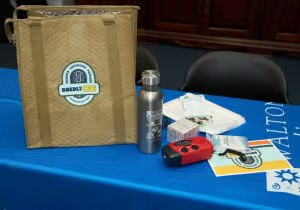
At Walton Options, we offer emergency preparedness classes. If you would like to attend scheduled preparedness class in our office, please visit our events calendar for upcoming dates. If you’re interested in having a dedicated class for your group, please contact us. Don’t wait to get started. Download our free printable resources below to start building your Emergency Prep Kit at home.
BOLDLY BE Informed
People with disabilities face a high risk of abuse and exploitation. They are more likely to be abused repeatedly and over long periods, often by someone they know, such as a caregiver or family member. Many victims have difficulty accessing the justice system and may remain in harmful situations.
Children with disabilities are especially vulnerable, experiencing higher rates of severe, repeated, and prolonged abuse, including sexual abuse—particularly among those with intellectual or mental health disabilities.
Elder abuse involves the mistreatment, neglect, or exploitation of older adults and is closely related to protections for vulnerable or dependent individuals. Abuse can take many forms, including physical, sexual, emotional, and neglect, as well as controlling behaviors like withholding care or medication.
In many cases, abuse is carried out by someone the victim trusts, such as a family member or caregiver, and is often considered a form of domestic or family violence.
Self-care and advocacy are extremely important for all abuse victims. If you are a victim, or are aware of a victim, following are some resources for reporting abuse.

BOLDLY BE An Advocate
There are many ways to advocate for yourself and others with disabilities. Educate yourself about disability rights and the ADA, support self-advocates, and support disability-led participation in decision-making. Challenge ableism and speak out against discrimination in behavior, language, and systems. Support policies that remove barriers, protect disability rights, and support equal access, and vote.
Disability advocacy promotes equal rights, access, and respect, addressing discrimination in housing, employment, and education. It includes four types: self-advocacy, systemic advocacy, individual advocacy, and family advocacy.
While progress has been made, more work is needed. Efforts should focus on supporting people with disabilities in exercising choice and self-determination, expanding access to housing, transportation, and healthcare, and removing barriers to employment, economic independence, voting, and civic participation.
For more information about how to register to vote or to check your status visit the links below for Georgia and South Carolina. For other state resources visit usa.gov/confirm-voter-registration.
PLAN. PREPARE. VOTE.
Georgia election information, including voter registration information, election dates, sample ballots and voting locations can be found at GA My Voter Page.
South Carolina election information, including voter registration information, election dates, sample ballots and voting locations can be found at South Carolina Election Commission.
Your voice matters — make your plan to vote and be a disability advocate!